Buy e-spaces.eu ?
We are moving the project
e-spaces.eu .
Are you interested in purchasing the domain
e-spaces.eu ?
domain@kv-gmbh.de · 0541-91531010
Buy e-spaces.eu ?
How does the German unification in the 19th century differ from the Italian unification?
The German unification in the 19th century was primarily driven by the leadership of Prussia under Otto von Bismarck, who used a combination of diplomacy and warfare to unify the German states. In contrast, the Italian unification was led by several key figures such as Giuseppe Garibaldi and Count Camillo di Cavour, and involved a series of military campaigns and uprisings to unify the Italian states. Additionally, the German unification resulted in the creation of a powerful, centralized German Empire, while the Italian unification led to the establishment of a constitutional monarchy under King Victor Emmanuel II. **
Have the Wars of Unification changed nationalism?
Yes, the Wars of Unification have changed nationalism by promoting a sense of unity and pride among the people of the newly unified nations. These wars helped to solidify the idea of a shared national identity and common goals, leading to a stronger sense of nationalism. Additionally, the victories in these wars often fueled a sense of superiority and exceptionalism among the citizens of the unified nations. Overall, the Wars of Unification played a significant role in shaping and strengthening nationalist sentiments in the countries involved. **

Similar search terms for Unification
Top-Angebote
Products related to Unification:
-
Mason Cash Innovative Kitchen Lasagne DishThe Mason Cash Innovative Kitchen Lasagne Dish is made from stoneware which provides gradual and even heat distribution. A vented base also ensures optimal heat distribution whilst right angled corners and precision sizing accommodate most lasagne sheets without the need to break them down. Steep sides allow for higher layering and help distribute heat evenly. Mason Cash ovenware classics have been given the Innovative Kitchen treatment in this range. Carefully selected materials with innovative features that improve their performance for tastier results. The Mason Cash Innovative Kitchen Lasagne Dish measures H 7.3cm x W 31.5cm x D 20.5cm with a capacity of 2.5 litres.16,10 £*Shipping: 3,50 £Secure redirect to the provider
-
Drop Dash Deals Flexible Bendable Ceiling Curtain Track System For Room Dividers And Curved Spaces Flexible Bendable Ceiling Curtain Track System For Room Dividers And Curved SpacesCreate privacy, define spaces, and add flexibility to any room with this flexible ceiling curtain track designed to adapt to your layout, not the other way around. Ideal for renters, homeowners, and RV owners, this system bends smoothly around...79,97 $*Shipping: 0,00 $Secure redirect to the provider
-
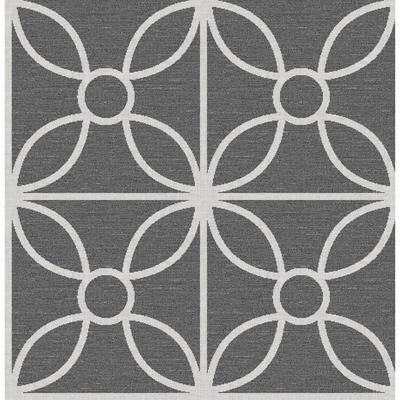
A-Street Prints Savvy Grey Geometric WallpaperLiven up your walls with this chic tile wallpaper. The large scale print creates a dramatic effect while the neutral grey color scheme maintains a sleek design. A textured ink creates the pattern on this design with a tactile finish.25,36 $*Shipping: 0,00 $Secure redirect to the provider
-
A-Street Prints Savvy Black Geometric WallpaperThis wallpaper is a modern take on a classic floral tile. The geometric design pops with a light grey background and a charcoal black print. Raised inks create a tactile dimension on this large scale design.28,49 $*Shipping: 0,00 $Secure redirect to the provider



-
Did the Wars of Unification change nationalism?
Yes, the Wars of Unification played a significant role in changing nationalism. These wars, such as the Italian and German unifications in the 19th century, helped to strengthen national identities and create unified nations. The victories in these wars fueled a sense of national pride and solidarity among the people, leading to a stronger sense of nationalism. Additionally, the successful unifications demonstrated the power of nationalism as a unifying force in achieving political goals. **
-
Was European unification a financial gain for Germany?
European unification has been a financial gain for Germany in many ways. As the largest and most powerful economy in the European Union, Germany has benefited from increased trade and investment opportunities within the EU. The single currency, the Euro, has also made it easier for German businesses to conduct transactions with other European countries. Additionally, EU funding and subsidies have supported infrastructure and development projects in Germany. However, it is important to note that European unification has also brought about financial responsibilities for Germany, such as contributing to the EU budget and providing financial assistance to struggling member states. Overall, while there have been costs associated with European unification, the economic benefits for Germany have been significant. **
-
What happened during the German unification in 1871?
During the German unification in 1871, the various independent German states were brought together under the leadership of Prussia. This unification was achieved through a series of wars and diplomatic negotiations, culminating in the proclamation of the German Empire at the Palace of Versailles. Otto von Bismarck, the Chancellor of Prussia, played a key role in orchestrating the unification process. The new German Empire was headed by the King of Prussia, who became the Emperor of Germany, and it marked a significant shift in the balance of power in Europe. **
-
Is the Unification Church a cult or not?
The classification of the Unification Church as a cult is a matter of debate and controversy. Some critics and former members have labeled it as a cult due to its unconventional beliefs, strict hierarchical structure, and the charismatic leadership of its founder, Sun Myung Moon. However, the Unification Church itself rejects the label of cult and instead considers itself a legitimate religious movement. Ultimately, whether the Unification Church is considered a cult or not depends on one's perspective and interpretation of its teachings and practices. **


What were the consequences of the German unification?
The consequences of German unification were both positive and negative. On the positive side, it led to the creation of a powerful and economically strong nation in the heart of Europe. It also brought about a sense of national identity and pride among the German people. However, the unification also led to tensions with neighboring countries, particularly France, and raised concerns about the balance of power in Europe. Additionally, the process of unification resulted in economic and social challenges, as the former East Germany struggled to catch up with the more prosperous West. **
What is the definition of the Wars of Unification?
The Wars of Unification refer to a series of conflicts and military campaigns that took place in the 19th century with the goal of unifying separate states or regions into a single nation. These wars typically involved a dominant power seeking to bring together smaller states or territories under its control through conquest or diplomacy. Examples of Wars of Unification include the unification of Italy led by figures like Giuseppe Garibaldi and Count Cavour, as well as the unification of Germany under the leadership of Otto von Bismarck. **
Top-Angebote
Products related to Unification:
-
Rueber Innovative Nutrient Nourishing Mask 500mLA hair mask. It a nourishing hair mask rich in amino acids that provides elasticity, vigor, and shine to hair. Its acidic pH protects dry or very dry hair by nourishing and eliminating static electricity. Intensely nourishes and revitalizes dry hair. Improves elasticity and shine. Protects hair structure with an acidic pH.24,01 £*Shipping: 10,02 £Secure redirect to the provider
-
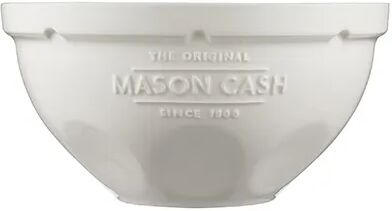
Mason Cash Innovative Kitchen Mixing BowlThis Mason Cash mixing bowl has a capacity of 4 litres and features tilt support in the design and shape of the bowl. As the bowl is tilted, the indents in the outer surface of the bowl provided angled support when mixing and beating the contents of the bowl. The bowl is made from stoneware and is finished with a durable and hard wearing glaze. The Mason Cash mixing bowl is suitable for warming food in the microwave and is dishwasher safe for easy and convenient cleaning.24,50 £*Shipping: 3,50 £Secure redirect to the provider
-
Mason Cash Innovative Kitchen Lasagne DishThe Mason Cash Innovative Kitchen Lasagne Dish is made from stoneware which provides gradual and even heat distribution. A vented base also ensures optimal heat distribution whilst right angled corners and precision sizing accommodate most lasagne sheets without the need to break them down. Steep sides allow for higher layering and help distribute heat evenly. Mason Cash ovenware classics have been given the Innovative Kitchen treatment in this range. Carefully selected materials with innovative features that improve their performance for tastier results. The Mason Cash Innovative Kitchen Lasagne Dish measures H 7.3cm x W 31.5cm x D 20.5cm with a capacity of 2.5 litres.16,10 £*Shipping: 3,50 £Secure redirect to the provider
-
Drop Dash Deals Flexible Bendable Ceiling Curtain Track System For Room Dividers And Curved Spaces Flexible Bendable Ceiling Curtain Track System For Room Dividers And Curved SpacesCreate privacy, define spaces, and add flexibility to any room with this flexible ceiling curtain track designed to adapt to your layout, not the other way around. Ideal for renters, homeowners, and RV owners, this system bends smoothly around...79,97 $*Shipping: 0,00 $Secure redirect to the provider
-
How does the German unification in the 19th century differ from the Italian unification?
The German unification in the 19th century was primarily driven by the leadership of Prussia under Otto von Bismarck, who used a combination of diplomacy and warfare to unify the German states. In contrast, the Italian unification was led by several key figures such as Giuseppe Garibaldi and Count Camillo di Cavour, and involved a series of military campaigns and uprisings to unify the Italian states. Additionally, the German unification resulted in the creation of a powerful, centralized German Empire, while the Italian unification led to the establishment of a constitutional monarchy under King Victor Emmanuel II. **
-
Have the Wars of Unification changed nationalism?
Yes, the Wars of Unification have changed nationalism by promoting a sense of unity and pride among the people of the newly unified nations. These wars helped to solidify the idea of a shared national identity and common goals, leading to a stronger sense of nationalism. Additionally, the victories in these wars often fueled a sense of superiority and exceptionalism among the citizens of the unified nations. Overall, the Wars of Unification played a significant role in shaping and strengthening nationalist sentiments in the countries involved. **
-
Did the Wars of Unification change nationalism?
Yes, the Wars of Unification played a significant role in changing nationalism. These wars, such as the Italian and German unifications in the 19th century, helped to strengthen national identities and create unified nations. The victories in these wars fueled a sense of national pride and solidarity among the people, leading to a stronger sense of nationalism. Additionally, the successful unifications demonstrated the power of nationalism as a unifying force in achieving political goals. **
-
Was European unification a financial gain for Germany?
European unification has been a financial gain for Germany in many ways. As the largest and most powerful economy in the European Union, Germany has benefited from increased trade and investment opportunities within the EU. The single currency, the Euro, has also made it easier for German businesses to conduct transactions with other European countries. Additionally, EU funding and subsidies have supported infrastructure and development projects in Germany. However, it is important to note that European unification has also brought about financial responsibilities for Germany, such as contributing to the EU budget and providing financial assistance to struggling member states. Overall, while there have been costs associated with European unification, the economic benefits for Germany have been significant. **
Similar search terms for Unification
-
A-Street Prints Savvy Grey Geometric WallpaperLiven up your walls with this chic tile wallpaper. The large scale print creates a dramatic effect while the neutral grey color scheme maintains a sleek design. A textured ink creates the pattern on this design with a tactile finish.25,36 $*Shipping: 0,00 $Secure redirect to the provider
-
A-Street Prints Savvy Black Geometric WallpaperThis wallpaper is a modern take on a classic floral tile. The geometric design pops with a light grey background and a charcoal black print. Raised inks create a tactile dimension on this large scale design.28,49 $*Shipping: 0,00 $Secure redirect to the provider
-
Multicon Wholesale Hub Telescoping Inspection Mirror Set Adjustable Flexible Inspection Mirror For Hard to Reach Spaces Telescoping Inspection Mirror Set Adjustable Flexible Inspection Mirror For Hard to Reach SpacesLooking for a versatile tool to help you inspect tight spaces The 2 Pack Telescoping Inspection Mirror Set is designed for those hardtoreach areas, making inspections easier than ever. Whether you're a mechanic, DIY enthusiast, or just need to check...69,97 $*Shipping: 0,00 $Secure redirect to the provider
-
Rueber Innovative Skynderm Cellular Regenerating Cream 6x12mLA hair-care product for dry or dehydrated skin. It a revitalizing epidermal cream designed for toxic, dehydrated, damaged, irritated, or inflamed skin. It effectively addresses redness on the scalp, forehead, or face, providing essential hydration and nourishment. Hydrates and nourishes the skin. Renews and regenerates skin cells.22,19 £*Shipping: 7,11 £Secure redirect to the provider
-
What happened during the German unification in 1871?
During the German unification in 1871, the various independent German states were brought together under the leadership of Prussia. This unification was achieved through a series of wars and diplomatic negotiations, culminating in the proclamation of the German Empire at the Palace of Versailles. Otto von Bismarck, the Chancellor of Prussia, played a key role in orchestrating the unification process. The new German Empire was headed by the King of Prussia, who became the Emperor of Germany, and it marked a significant shift in the balance of power in Europe. **
-
Is the Unification Church a cult or not?
The classification of the Unification Church as a cult is a matter of debate and controversy. Some critics and former members have labeled it as a cult due to its unconventional beliefs, strict hierarchical structure, and the charismatic leadership of its founder, Sun Myung Moon. However, the Unification Church itself rejects the label of cult and instead considers itself a legitimate religious movement. Ultimately, whether the Unification Church is considered a cult or not depends on one's perspective and interpretation of its teachings and practices. **
-
What were the consequences of the German unification?
The consequences of German unification were both positive and negative. On the positive side, it led to the creation of a powerful and economically strong nation in the heart of Europe. It also brought about a sense of national identity and pride among the German people. However, the unification also led to tensions with neighboring countries, particularly France, and raised concerns about the balance of power in Europe. Additionally, the process of unification resulted in economic and social challenges, as the former East Germany struggled to catch up with the more prosperous West. **
-
What is the definition of the Wars of Unification?
The Wars of Unification refer to a series of conflicts and military campaigns that took place in the 19th century with the goal of unifying separate states or regions into a single nation. These wars typically involved a dominant power seeking to bring together smaller states or territories under its control through conquest or diplomacy. Examples of Wars of Unification include the unification of Italy led by figures like Giuseppe Garibaldi and Count Cavour, as well as the unification of Germany under the leadership of Otto von Bismarck. **
* All prices are inclusive of VAT and, if applicable, plus shipping costs. The offer information is based on the details provided by the respective shop and is updated through automated processes. Real-time updates do not occur, so deviations can occur in individual cases. ** Note: Parts of this content were created by AI.