Buy e-spaces.eu ?
We are moving the project
e-spaces.eu .
Are you interested in purchasing the domain
e-spaces.eu ?
domain@kv-gmbh.de · 0541-91531010
Buy e-spaces.eu ?
Is the electrochemical series complete?
Yes, the electrochemical series is considered complete as it lists all the elements in order of their standard electrode potentials. This series allows us to predict the direction of redox reactions and the relative strengths of oxidizing and reducing agents. The electrochemical series is a valuable tool in understanding and predicting the behavior of different elements in electrochemical reactions. **
What is the electrochemical series?
The electrochemical series is a list of elements and their standard electrode potentials, which indicates the relative ease with which they undergo oxidation or reduction reactions. It ranks elements in order of their tendency to gain or lose electrons, with the most reactive metals at the top and the least reactive metals at the bottom. This series is important in understanding the behavior of metals in electrochemical reactions, such as in batteries and corrosion processes. It helps predict the direction of redox reactions and the potential difference between two half-cells in a galvanic cell. **

Similar search terms for Electrochemical
Top-Angebote
Products related to Electrochemical:
-
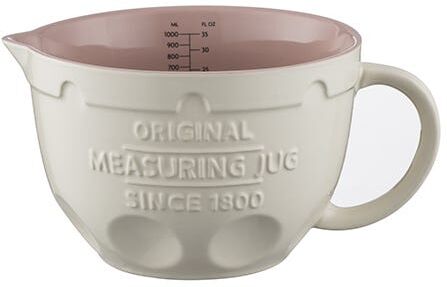
Mason Cash Innovative Kitchen 1L Measuring JugThe Mason Cash Innovative kitchen 1 litre measuring jug is a must have in the kitchen for baking large batches of ingredients. The stoneware bowl has a large handle providing a good grip when mixing the contents. The bowl features indentations on the exterior, which provides extra support when the bowl is tilted at an angle. The inside of the measuring bowl shows measurements in both millilitres and fluid ounces. Suitable for use in the microwave and dishwasher safe for easy and convenient cleaning, the measuring bowl is part of a matching collection.17,85 £*Shipping: 3,50 £Secure redirect to the provider
-
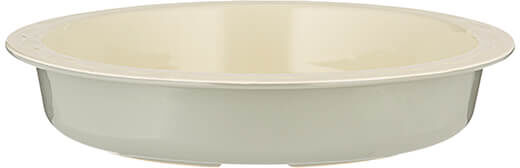
Mason Cash Innovative Kitchen 29cm Pie DishThe Mason Cash Innovative Kitchen Pie Dish is made from stoneware which provides gradual and even heat distribution. A vented base also ensures optimal heat distribution as do the steep sides of the dish. An embossed interior provides easy pastry release whilst the pastry anchor prevents pastry slumping. Mason Cash ovenware classics have been given the Innovative Kitchen treatment in this range. Carefully selected materials with innovative features that improve their performance for tastier results. The Mason Cash Innovative Kitchen Pie Dish measures H 5.5cm x W 28cm x D 28cm with a capacity of 2 litres.15,05 £*Shipping: 3,50 £Secure redirect to the provider
-
A-Street Prints Savvy Grey Geometric WallpaperLiven up your walls with this chic tile wallpaper. The large scale print creates a dramatic effect while the neutral grey color scheme maintains a sleek design. A textured ink creates the pattern on this design with a tactile finish.25,36 $*Shipping: 0,00 $Secure redirect to the provider
-
A-Street Prints Savvy Black Geometric WallpaperThis wallpaper is a modern take on a classic floral tile. The geometric design pops with a light grey background and a charcoal black print. Raised inks create a tactile dimension on this large scale design.28,49 $*Shipping: 0,00 $Secure redirect to the provider


-
How does electrochemical corrosion work exactly?
Electrochemical corrosion occurs when two different metals are in contact with each other in the presence of an electrolyte, such as water or salt. One metal acts as the anode and undergoes oxidation, releasing electrons into the electrolyte. The other metal acts as the cathode and gains these electrons, causing a reduction reaction. This flow of electrons between the anode and cathode leads to the deterioration of the anode, resulting in corrosion. The electrolyte facilitates the movement of ions and electrons, accelerating the corrosion process. **
-
What is an assignment related to the electrochemical series?
An assignment related to the electrochemical series could involve comparing the reactivity of different metals based on their position in the series. Students may be asked to predict the outcome of various redox reactions based on the positions of the metals in the series. They may also be tasked with designing a galvanic cell using metals from the series and calculating the cell potential. Additionally, students may be asked to explain the practical applications of the electrochemical series, such as in the selection of materials for corrosion resistance or in the design of batteries. **
-
Can you describe the electrochemical process of iron rusting?
Iron rusting is an electrochemical process that occurs when iron is exposed to oxygen and water. The iron atoms lose electrons and become positively charged ions (Fe2+), while the oxygen atoms gain electrons and become negatively charged ions (O2-). This creates an electrochemical cell, with the iron acting as the anode and the oxygen as the cathode. The positively charged iron ions then react with water and oxygen to form iron oxide, or rust. This process is accelerated in the presence of electrolytes such as salt, which can increase the rate of electron transfer and speed up the rusting process. **
-
What is the zero point of the electrochemical series?
The zero point of the electrochemical series is the standard hydrogen electrode (SHE), which is assigned a potential of 0 volts. It serves as the reference point for measuring the electrode potentials of other half-reactions in the electrochemical series. The SHE consists of a platinum electrode in contact with a solution of 1 M H+ ions at 1 atm pressure of H2 gas. All other electrode potentials in the electrochemical series are measured relative to the potential of the SHE. **


What is the purpose of the electrochemical series in chemistry?
The electrochemical series is a list of elements and their standard electrode potentials, which indicates the relative reactivity of different metals and their ability to undergo oxidation or reduction reactions. The purpose of the electrochemical series in chemistry is to predict the outcome of redox reactions and to determine the feasibility of a particular redox reaction. It helps in understanding the behavior of different metals in terms of their ability to donate or accept electrons, and it is also useful in determining the direction of electron flow in electrochemical cells. Overall, the electrochemical series is a valuable tool for understanding the behavior of metals in redox reactions and their relative reactivity. **
What is an assignment on the electrochemical series of potentials?
An assignment on the electrochemical series of potentials typically involves studying and analyzing the relative reactivity of different metals and their ability to undergo oxidation or reduction reactions. Students may be asked to arrange metals in order of their standard electrode potentials, predict the outcome of various redox reactions, or calculate cell potentials for different electrochemical cells. This assignment helps students understand the relationship between the standard electrode potential of a metal and its reactivity in redox reactions, as well as how to use this information to predict the feasibility of different electrochemical processes. **
Top-Angebote
Products related to Electrochemical:
-
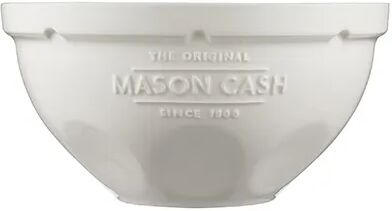
Mason Cash Innovative Kitchen Mixing BowlThis Mason Cash mixing bowl has a capacity of 4 litres and features tilt support in the design and shape of the bowl. As the bowl is tilted, the indents in the outer surface of the bowl provided angled support when mixing and beating the contents of the bowl. The bowl is made from stoneware and is finished with a durable and hard wearing glaze. The Mason Cash mixing bowl is suitable for warming food in the microwave and is dishwasher safe for easy and convenient cleaning.24,50 £*Shipping: 3,50 £Secure redirect to the provider
-
Mason Cash Innovative Kitchen Lasagne DishThe Mason Cash Innovative Kitchen Lasagne Dish is made from stoneware which provides gradual and even heat distribution. A vented base also ensures optimal heat distribution whilst right angled corners and precision sizing accommodate most lasagne sheets without the need to break them down. Steep sides allow for higher layering and help distribute heat evenly. Mason Cash ovenware classics have been given the Innovative Kitchen treatment in this range. Carefully selected materials with innovative features that improve their performance for tastier results. The Mason Cash Innovative Kitchen Lasagne Dish measures H 7.3cm x W 31.5cm x D 20.5cm with a capacity of 2.5 litres.16,10 £*Shipping: 3,50 £Secure redirect to the provider
-
Mason Cash Innovative Kitchen 1L Measuring JugThe Mason Cash Innovative kitchen 1 litre measuring jug is a must have in the kitchen for baking large batches of ingredients. The stoneware bowl has a large handle providing a good grip when mixing the contents. The bowl features indentations on the exterior, which provides extra support when the bowl is tilted at an angle. The inside of the measuring bowl shows measurements in both millilitres and fluid ounces. Suitable for use in the microwave and dishwasher safe for easy and convenient cleaning, the measuring bowl is part of a matching collection.17,85 £*Shipping: 3,50 £Secure redirect to the provider
-
Mason Cash Innovative Kitchen 29cm Pie DishThe Mason Cash Innovative Kitchen Pie Dish is made from stoneware which provides gradual and even heat distribution. A vented base also ensures optimal heat distribution as do the steep sides of the dish. An embossed interior provides easy pastry release whilst the pastry anchor prevents pastry slumping. Mason Cash ovenware classics have been given the Innovative Kitchen treatment in this range. Carefully selected materials with innovative features that improve their performance for tastier results. The Mason Cash Innovative Kitchen Pie Dish measures H 5.5cm x W 28cm x D 28cm with a capacity of 2 litres.15,05 £*Shipping: 3,50 £Secure redirect to the provider
-
Is the electrochemical series complete?
Yes, the electrochemical series is considered complete as it lists all the elements in order of their standard electrode potentials. This series allows us to predict the direction of redox reactions and the relative strengths of oxidizing and reducing agents. The electrochemical series is a valuable tool in understanding and predicting the behavior of different elements in electrochemical reactions. **
-
What is the electrochemical series?
The electrochemical series is a list of elements and their standard electrode potentials, which indicates the relative ease with which they undergo oxidation or reduction reactions. It ranks elements in order of their tendency to gain or lose electrons, with the most reactive metals at the top and the least reactive metals at the bottom. This series is important in understanding the behavior of metals in electrochemical reactions, such as in batteries and corrosion processes. It helps predict the direction of redox reactions and the potential difference between two half-cells in a galvanic cell. **
-
How does electrochemical corrosion work exactly?
Electrochemical corrosion occurs when two different metals are in contact with each other in the presence of an electrolyte, such as water or salt. One metal acts as the anode and undergoes oxidation, releasing electrons into the electrolyte. The other metal acts as the cathode and gains these electrons, causing a reduction reaction. This flow of electrons between the anode and cathode leads to the deterioration of the anode, resulting in corrosion. The electrolyte facilitates the movement of ions and electrons, accelerating the corrosion process. **
-
What is an assignment related to the electrochemical series?
An assignment related to the electrochemical series could involve comparing the reactivity of different metals based on their position in the series. Students may be asked to predict the outcome of various redox reactions based on the positions of the metals in the series. They may also be tasked with designing a galvanic cell using metals from the series and calculating the cell potential. Additionally, students may be asked to explain the practical applications of the electrochemical series, such as in the selection of materials for corrosion resistance or in the design of batteries. **
Similar search terms for Electrochemical
-
A-Street Prints Savvy Grey Geometric WallpaperLiven up your walls with this chic tile wallpaper. The large scale print creates a dramatic effect while the neutral grey color scheme maintains a sleek design. A textured ink creates the pattern on this design with a tactile finish.25,36 $*Shipping: 0,00 $Secure redirect to the provider
-
A-Street Prints Savvy Black Geometric WallpaperThis wallpaper is a modern take on a classic floral tile. The geometric design pops with a light grey background and a charcoal black print. Raised inks create a tactile dimension on this large scale design.28,49 $*Shipping: 0,00 $Secure redirect to the provider
-
Drop Dash Deals Flexible Bendable Ceiling Curtain Track System For Room Dividers And Curved Spaces Flexible Bendable Ceiling Curtain Track System For Room Dividers And Curved SpacesCreate privacy, define spaces, and add flexibility to any room with this flexible ceiling curtain track designed to adapt to your layout, not the other way around. Ideal for renters, homeowners, and RV owners, this system bends smoothly around...79,97 $*Shipping: 0,00 $Secure redirect to the provider
-
Uplift Essentials Innovative Electric Spray Pet Grooming Comb khakiElevate your pets grooming routine from a chore to a spalike experience. This new pet spray comb is a gamechanger for owners of cats and dogs, combining advanced deshedding technology with a soothing mist. Featuring a unique onekey spray function,...69,97 $*Shipping: 0,00 $Secure redirect to the provider
-
Can you describe the electrochemical process of iron rusting?
Iron rusting is an electrochemical process that occurs when iron is exposed to oxygen and water. The iron atoms lose electrons and become positively charged ions (Fe2+), while the oxygen atoms gain electrons and become negatively charged ions (O2-). This creates an electrochemical cell, with the iron acting as the anode and the oxygen as the cathode. The positively charged iron ions then react with water and oxygen to form iron oxide, or rust. This process is accelerated in the presence of electrolytes such as salt, which can increase the rate of electron transfer and speed up the rusting process. **
-
What is the zero point of the electrochemical series?
The zero point of the electrochemical series is the standard hydrogen electrode (SHE), which is assigned a potential of 0 volts. It serves as the reference point for measuring the electrode potentials of other half-reactions in the electrochemical series. The SHE consists of a platinum electrode in contact with a solution of 1 M H+ ions at 1 atm pressure of H2 gas. All other electrode potentials in the electrochemical series are measured relative to the potential of the SHE. **
-
What is the purpose of the electrochemical series in chemistry?
The electrochemical series is a list of elements and their standard electrode potentials, which indicates the relative reactivity of different metals and their ability to undergo oxidation or reduction reactions. The purpose of the electrochemical series in chemistry is to predict the outcome of redox reactions and to determine the feasibility of a particular redox reaction. It helps in understanding the behavior of different metals in terms of their ability to donate or accept electrons, and it is also useful in determining the direction of electron flow in electrochemical cells. Overall, the electrochemical series is a valuable tool for understanding the behavior of metals in redox reactions and their relative reactivity. **
-
What is an assignment on the electrochemical series of potentials?
An assignment on the electrochemical series of potentials typically involves studying and analyzing the relative reactivity of different metals and their ability to undergo oxidation or reduction reactions. Students may be asked to arrange metals in order of their standard electrode potentials, predict the outcome of various redox reactions, or calculate cell potentials for different electrochemical cells. This assignment helps students understand the relationship between the standard electrode potential of a metal and its reactivity in redox reactions, as well as how to use this information to predict the feasibility of different electrochemical processes. **
* All prices are inclusive of VAT and, if applicable, plus shipping costs. The offer information is based on the details provided by the respective shop and is updated through automated processes. Real-time updates do not occur, so deviations can occur in individual cases. ** Note: Parts of this content were created by AI.