Buy e-spaces.eu ?
We are moving the project
e-spaces.eu .
Are you interested in purchasing the domain
e-spaces.eu ?
domain@kv-gmbh.de · 0541-91531010
Buy e-spaces.eu ?
What are Byzantine relations?
Byzantine relations refer to the diplomatic, political, and cultural interactions between the Byzantine Empire and other states or entities. These relations were crucial for the Byzantine Empire's survival and influence, as they involved alliances, treaties, trade agreements, and military cooperation with neighboring powers such as the Roman Empire, Persia, Arab Caliphates, and various European kingdoms. Byzantine relations also involved religious and cultural exchanges, as the Byzantine Empire played a significant role in spreading Christianity and preserving classical knowledge. These relations were often complex and constantly evolving, shaping the empire's foreign policy and its place in the wider world. **
Does anyone know of a Byzantine goat?
There is no specific mention of a "Byzantine goat" in historical records or literature. However, goats were commonly raised and used for their milk, meat, and wool in the Byzantine Empire. They were an important part of the agricultural economy and daily life of the Byzantine people. While there may not be a specific goat known as the "Byzantine goat," goats were certainly a familiar sight in Byzantine society. **


Similar search terms for Byzantine
Top-Angebote
Products related to Byzantine:
-
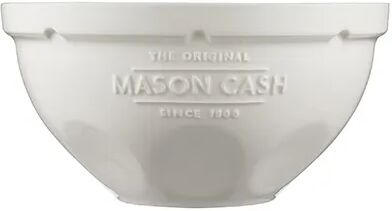
Mason Cash Innovative Kitchen Mixing BowlThis Mason Cash mixing bowl has a capacity of 4 litres and features tilt support in the design and shape of the bowl. As the bowl is tilted, the indents in the outer surface of the bowl provided angled support when mixing and beating the contents of the bowl. The bowl is made from stoneware and is finished with a durable and hard wearing glaze. The Mason Cash mixing bowl is suitable for warming food in the microwave and is dishwasher safe for easy and convenient cleaning.24,50 £*Shipping: 3,50 £Secure redirect to the provider
-
Mason Cash Innovative Kitchen Lasagne DishThe Mason Cash Innovative Kitchen Lasagne Dish is made from stoneware which provides gradual and even heat distribution. A vented base also ensures optimal heat distribution whilst right angled corners and precision sizing accommodate most lasagne sheets without the need to break them down. Steep sides allow for higher layering and help distribute heat evenly. Mason Cash ovenware classics have been given the Innovative Kitchen treatment in this range. Carefully selected materials with innovative features that improve their performance for tastier results. The Mason Cash Innovative Kitchen Lasagne Dish measures H 7.3cm x W 31.5cm x D 20.5cm with a capacity of 2.5 litres.16,10 £*Shipping: 3,50 £Secure redirect to the provider
-
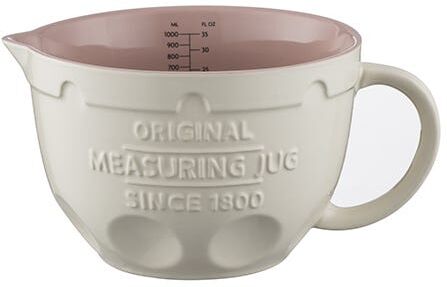
Mason Cash Innovative Kitchen 1L Measuring JugThe Mason Cash Innovative kitchen 1 litre measuring jug is a must have in the kitchen for baking large batches of ingredients. The stoneware bowl has a large handle providing a good grip when mixing the contents. The bowl features indentations on the exterior, which provides extra support when the bowl is tilted at an angle. The inside of the measuring bowl shows measurements in both millilitres and fluid ounces. Suitable for use in the microwave and dishwasher safe for easy and convenient cleaning, the measuring bowl is part of a matching collection.17,85 £*Shipping: 3,50 £Secure redirect to the provider
-
Mason Cash Innovative Kitchen 29cm Pie DishThe Mason Cash Innovative Kitchen Pie Dish is made from stoneware which provides gradual and even heat distribution. A vented base also ensures optimal heat distribution as do the steep sides of the dish. An embossed interior provides easy pastry release whilst the pastry anchor prevents pastry slumping. Mason Cash ovenware classics have been given the Innovative Kitchen treatment in this range. Carefully selected materials with innovative features that improve their performance for tastier results. The Mason Cash Innovative Kitchen Pie Dish measures H 5.5cm x W 28cm x D 28cm with a capacity of 2 litres.15,05 £*Shipping: 3,50 £Secure redirect to the provider


-
What is meant by the Byzantine bureaucracy?
The Byzantine bureaucracy refers to the administrative system of the Byzantine Empire, which was highly organized and centralized. It was characterized by a complex hierarchy of officials and administrators who were responsible for managing the empire's vast territories, collecting taxes, enforcing laws, and overseeing various aspects of governance. The bureaucracy played a crucial role in maintaining the stability and functioning of the Byzantine state, and it was known for its efficiency and effectiveness in managing the empire's affairs. The Byzantine bureaucracy was also known for its use of intricate protocols and formalities, which contributed to the empire's reputation for elaborate ceremonial and court etiquette. **
-
Was the Byzantine Empire more Roman or Greek?
The Byzantine Empire was a blend of both Roman and Greek influences. While it was founded by the Roman Emperor Constantine and maintained Roman administrative structures, it also adopted many aspects of Greek culture, language, and art. The Byzantine Empire's official language was Greek, and its Christian religion was heavily influenced by Greek Orthodox traditions. Overall, the Byzantine Empire can be seen as a continuation of the Roman Empire with strong Greek cultural influences. **
-
Could the Byzantine Empire have restored the Roman Empire?
The Byzantine Empire, also known as the Eastern Roman Empire, was a continuation of the Roman Empire in the east. While the Byzantine Empire did manage to preserve many aspects of Roman culture and institutions, it faced numerous challenges that made restoring the Roman Empire in its entirety unlikely. The Western Roman Empire had already collapsed by the time the Byzantine Empire reached its height, and the Byzantines faced constant threats from external invasions, internal strife, and economic difficulties. Additionally, the Byzantine Empire had a different cultural and religious identity than the Western Roman Empire, making a full restoration of the Roman Empire under Byzantine rule improbable. **
-
Are there differences between the Roman and Byzantine Empires?
Yes, there are several differences between the Roman and Byzantine Empires. The Roman Empire was known for its vast territorial expansion and emphasis on military conquest, while the Byzantine Empire focused more on maintaining and consolidating its existing territories. The Roman Empire was predominantly pagan before adopting Christianity, while the Byzantine Empire was a stronghold of Christianity. Additionally, the Byzantine Empire had a more centralized and bureaucratic government compared to the Roman Empire's more decentralized system. **


What nationality did the Byzantine Emperor Justinian I have?
Byzantine Emperor Justinian I was of Illyrian descent, which is an ancient ethnic group that inhabited the western Balkans. Illyrians were known for their warrior culture and were one of the earliest known groups to inhabit the region. Justinian I was born in Tauresium, Illyria, which is located in modern-day North Macedonia. **
What was the nationality of the Byzantine Emperor Justinian I?
Justinian I was a Byzantine Emperor, and the Byzantine Empire was the continuation of the Eastern Roman Empire. Therefore, Justinian I was of Roman nationality, as the Byzantine Empire considered itself the rightful heir to the Roman Empire. However, it is important to note that during Justinian's time, the concept of nationality was different from how we understand it today, and the people of the Byzantine Empire identified themselves as Romans. **
Top-Angebote
Products related to Byzantine:
-
Style Haven Manchester Byzantine Medallion Fringe Area RugAdorn your home with the traditional elegance of this gorgeous area rug. Featuring an intricate medallion pattern in primary shades of brown and black, the rug enhances any space with classic sophistication.197,49 $*Shipping: 0,00 $Secure redirect to the provider
-
Grant Design Collaborative Theorem Indoor/Outdoor Striped Area RugThe Continuum collection brings the classic sisal look to outdoor spaces and high-traffic indoor areas. The soft Theorem design features a linear pattern with cream and taupe, high-low pile for added dimension.102,99 $*Shipping: 0,00 $Secure redirect to the provider
-
Mason Cash Innovative Kitchen Mixing BowlThis Mason Cash mixing bowl has a capacity of 4 litres and features tilt support in the design and shape of the bowl. As the bowl is tilted, the indents in the outer surface of the bowl provided angled support when mixing and beating the contents of the bowl. The bowl is made from stoneware and is finished with a durable and hard wearing glaze. The Mason Cash mixing bowl is suitable for warming food in the microwave and is dishwasher safe for easy and convenient cleaning.24,50 £*Shipping: 3,50 £Secure redirect to the provider
-
Mason Cash Innovative Kitchen Lasagne DishThe Mason Cash Innovative Kitchen Lasagne Dish is made from stoneware which provides gradual and even heat distribution. A vented base also ensures optimal heat distribution whilst right angled corners and precision sizing accommodate most lasagne sheets without the need to break them down. Steep sides allow for higher layering and help distribute heat evenly. Mason Cash ovenware classics have been given the Innovative Kitchen treatment in this range. Carefully selected materials with innovative features that improve their performance for tastier results. The Mason Cash Innovative Kitchen Lasagne Dish measures H 7.3cm x W 31.5cm x D 20.5cm with a capacity of 2.5 litres.16,10 £*Shipping: 3,50 £Secure redirect to the provider
-
What are Byzantine relations?
Byzantine relations refer to the diplomatic, political, and cultural interactions between the Byzantine Empire and other states or entities. These relations were crucial for the Byzantine Empire's survival and influence, as they involved alliances, treaties, trade agreements, and military cooperation with neighboring powers such as the Roman Empire, Persia, Arab Caliphates, and various European kingdoms. Byzantine relations also involved religious and cultural exchanges, as the Byzantine Empire played a significant role in spreading Christianity and preserving classical knowledge. These relations were often complex and constantly evolving, shaping the empire's foreign policy and its place in the wider world. **
-
Does anyone know of a Byzantine goat?
There is no specific mention of a "Byzantine goat" in historical records or literature. However, goats were commonly raised and used for their milk, meat, and wool in the Byzantine Empire. They were an important part of the agricultural economy and daily life of the Byzantine people. While there may not be a specific goat known as the "Byzantine goat," goats were certainly a familiar sight in Byzantine society. **
-
What is meant by the Byzantine bureaucracy?
The Byzantine bureaucracy refers to the administrative system of the Byzantine Empire, which was highly organized and centralized. It was characterized by a complex hierarchy of officials and administrators who were responsible for managing the empire's vast territories, collecting taxes, enforcing laws, and overseeing various aspects of governance. The bureaucracy played a crucial role in maintaining the stability and functioning of the Byzantine state, and it was known for its efficiency and effectiveness in managing the empire's affairs. The Byzantine bureaucracy was also known for its use of intricate protocols and formalities, which contributed to the empire's reputation for elaborate ceremonial and court etiquette. **
-
Was the Byzantine Empire more Roman or Greek?
The Byzantine Empire was a blend of both Roman and Greek influences. While it was founded by the Roman Emperor Constantine and maintained Roman administrative structures, it also adopted many aspects of Greek culture, language, and art. The Byzantine Empire's official language was Greek, and its Christian religion was heavily influenced by Greek Orthodox traditions. Overall, the Byzantine Empire can be seen as a continuation of the Roman Empire with strong Greek cultural influences. **
Similar search terms for Byzantine
-
Mason Cash Innovative Kitchen 1L Measuring JugThe Mason Cash Innovative kitchen 1 litre measuring jug is a must have in the kitchen for baking large batches of ingredients. The stoneware bowl has a large handle providing a good grip when mixing the contents. The bowl features indentations on the exterior, which provides extra support when the bowl is tilted at an angle. The inside of the measuring bowl shows measurements in both millilitres and fluid ounces. Suitable for use in the microwave and dishwasher safe for easy and convenient cleaning, the measuring bowl is part of a matching collection.17,85 £*Shipping: 3,50 £Secure redirect to the provider
-
Mason Cash Innovative Kitchen 29cm Pie DishThe Mason Cash Innovative Kitchen Pie Dish is made from stoneware which provides gradual and even heat distribution. A vented base also ensures optimal heat distribution as do the steep sides of the dish. An embossed interior provides easy pastry release whilst the pastry anchor prevents pastry slumping. Mason Cash ovenware classics have been given the Innovative Kitchen treatment in this range. Carefully selected materials with innovative features that improve their performance for tastier results. The Mason Cash Innovative Kitchen Pie Dish measures H 5.5cm x W 28cm x D 28cm with a capacity of 2 litres.15,05 £*Shipping: 3,50 £Secure redirect to the provider
-
Drop Dash Deals Flexible Bendable Ceiling Curtain Track System For Room Dividers And Curved Spaces Flexible Bendable Ceiling Curtain Track System For Room Dividers And Curved SpacesCreate privacy, define spaces, and add flexibility to any room with this flexible ceiling curtain track designed to adapt to your layout, not the other way around. Ideal for renters, homeowners, and RV owners, this system bends smoothly around...79,97 $*Shipping: 0,00 $Secure redirect to the provider
-
A-Street Prints Savvy Grey Geometric WallpaperLiven up your walls with this chic tile wallpaper. The large scale print creates a dramatic effect while the neutral grey color scheme maintains a sleek design. A textured ink creates the pattern on this design with a tactile finish.25,36 $*Shipping: 0,00 $Secure redirect to the provider
-
Could the Byzantine Empire have restored the Roman Empire?
The Byzantine Empire, also known as the Eastern Roman Empire, was a continuation of the Roman Empire in the east. While the Byzantine Empire did manage to preserve many aspects of Roman culture and institutions, it faced numerous challenges that made restoring the Roman Empire in its entirety unlikely. The Western Roman Empire had already collapsed by the time the Byzantine Empire reached its height, and the Byzantines faced constant threats from external invasions, internal strife, and economic difficulties. Additionally, the Byzantine Empire had a different cultural and religious identity than the Western Roman Empire, making a full restoration of the Roman Empire under Byzantine rule improbable. **
-
Are there differences between the Roman and Byzantine Empires?
Yes, there are several differences between the Roman and Byzantine Empires. The Roman Empire was known for its vast territorial expansion and emphasis on military conquest, while the Byzantine Empire focused more on maintaining and consolidating its existing territories. The Roman Empire was predominantly pagan before adopting Christianity, while the Byzantine Empire was a stronghold of Christianity. Additionally, the Byzantine Empire had a more centralized and bureaucratic government compared to the Roman Empire's more decentralized system. **
-
What nationality did the Byzantine Emperor Justinian I have?
Byzantine Emperor Justinian I was of Illyrian descent, which is an ancient ethnic group that inhabited the western Balkans. Illyrians were known for their warrior culture and were one of the earliest known groups to inhabit the region. Justinian I was born in Tauresium, Illyria, which is located in modern-day North Macedonia. **
-
What was the nationality of the Byzantine Emperor Justinian I?
Justinian I was a Byzantine Emperor, and the Byzantine Empire was the continuation of the Eastern Roman Empire. Therefore, Justinian I was of Roman nationality, as the Byzantine Empire considered itself the rightful heir to the Roman Empire. However, it is important to note that during Justinian's time, the concept of nationality was different from how we understand it today, and the people of the Byzantine Empire identified themselves as Romans. **
* All prices are inclusive of VAT and, if applicable, plus shipping costs. The offer information is based on the details provided by the respective shop and is updated through automated processes. Real-time updates do not occur, so deviations can occur in individual cases. ** Note: Parts of this content were created by AI.