Buy e-spaces.eu ?
We are moving the project
e-spaces.eu .
Are you interested in purchasing the domain
e-spaces.eu ?
domain@kv-gmbh.de · 0541-91531010
Buy e-spaces.eu ?
How is ATP formed?
ATP is formed through the process of cellular respiration, which occurs in the mitochondria of cells. During cellular respiration, glucose is broken down in a series of steps, releasing energy that is used to convert ADP (adenosine diphosphate) into ATP (adenosine triphosphate). This process involves the electron transport chain and the production of ATP synthase, which adds a phosphate group to ADP to form ATP. Overall, ATP is formed through the transfer of energy from glucose to ADP, creating a molecule that serves as the primary energy source for cellular activities. **
What are ATP and ADP?
ATP (adenosine triphosphate) is a molecule that stores and transfers energy within cells. It is often referred to as the "energy currency" of the cell because it provides the energy needed for various cellular processes. When ATP is used for energy, it is converted to ADP (adenosine diphosphate) by releasing one phosphate group, along with the energy stored in the bond. ADP can then be converted back to ATP through cellular respiration to replenish the cell's energy supply. **

Similar search terms for Atp
Top-Angebote
Products related to Atp:
-
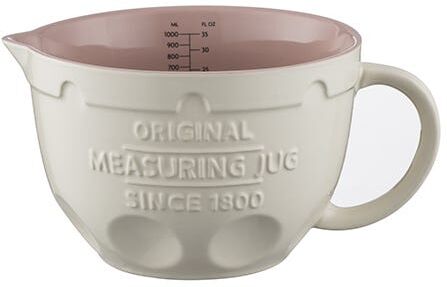
Mason Cash Innovative Kitchen 1L Measuring JugThe Mason Cash Innovative kitchen 1 litre measuring jug is a must have in the kitchen for baking large batches of ingredients. The stoneware bowl has a large handle providing a good grip when mixing the contents. The bowl features indentations on the exterior, which provides extra support when the bowl is tilted at an angle. The inside of the measuring bowl shows measurements in both millilitres and fluid ounces. Suitable for use in the microwave and dishwasher safe for easy and convenient cleaning, the measuring bowl is part of a matching collection.17,85 £*Shipping: 3,50 £Secure redirect to the provider
-
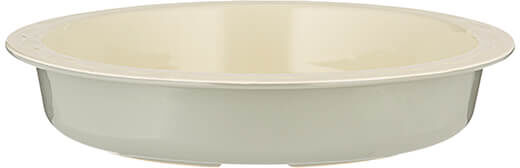
Mason Cash Innovative Kitchen 29cm Pie DishThe Mason Cash Innovative Kitchen Pie Dish is made from stoneware which provides gradual and even heat distribution. A vented base also ensures optimal heat distribution as do the steep sides of the dish. An embossed interior provides easy pastry release whilst the pastry anchor prevents pastry slumping. Mason Cash ovenware classics have been given the Innovative Kitchen treatment in this range. Carefully selected materials with innovative features that improve their performance for tastier results. The Mason Cash Innovative Kitchen Pie Dish measures H 5.5cm x W 28cm x D 28cm with a capacity of 2 litres.15,05 £*Shipping: 3,50 £Secure redirect to the provider
-
Drop Dash Deals Flexible Bendable Ceiling Curtain Track System For Room Dividers And Curved Spaces Flexible Bendable Ceiling Curtain Track System For Room Dividers And Curved SpacesCreate privacy, define spaces, and add flexibility to any room with this flexible ceiling curtain track designed to adapt to your layout, not the other way around. Ideal for renters, homeowners, and RV owners, this system bends smoothly around...79,97 $*Shipping: 0,00 $Secure redirect to the provider
-
A-Street Prints Savvy Black Geometric WallpaperThis wallpaper is a modern take on a classic floral tile. The geometric design pops with a light grey background and a charcoal black print. Raised inks create a tactile dimension on this large scale design.28,49 $*Shipping: 0,00 $Secure redirect to the provider


-
What is ATP explained simply?
ATP, or adenosine triphosphate, is often referred to as the "energy currency" of the cell. It is a molecule that stores and transfers energy within cells for various cellular processes. When ATP is broken down into ADP (adenosine diphosphate) and inorganic phosphate, energy is released and can be used by the cell to fuel activities such as muscle contractions, nerve impulses, and protein synthesis. In essence, ATP provides the necessary energy for cells to carry out their functions and maintain life. **
-
What are glucose and ATP?
Glucose is a simple sugar that serves as the primary source of energy for our cells. It is obtained from the food we eat and is broken down through a series of metabolic processes to produce ATP (adenosine triphosphate). ATP is often referred to as the "energy currency" of the cell because it stores and transfers energy within cells for various cellular functions. Both glucose and ATP play crucial roles in providing energy for the body to carry out its daily functions. **
-
Where does ATP come from?
ATP, or adenosine triphosphate, is produced in the mitochondria of cells through a process called cellular respiration. During cellular respiration, glucose is broken down in the presence of oxygen to produce ATP, which serves as the primary energy source for cellular activities. Additionally, ATP can also be generated through the process of photosynthesis in plant cells, where sunlight is used to convert carbon dioxide and water into glucose and oxygen, ultimately leading to the production of ATP. **
-
What is ATP in biology?
ATP, or adenosine triphosphate, is a molecule that serves as the primary energy currency in living organisms. It is composed of an adenosine molecule and three phosphate groups, and its high-energy phosphate bonds store and release energy for cellular processes. ATP is produced during cellular respiration and photosynthesis, and it is used to power various biological processes such as muscle contraction, active transport, and chemical synthesis. In essence, ATP is essential for the functioning and survival of all living organisms. **

What is the meaning of ATP?
ATP stands for adenosine triphosphate, which is a molecule that serves as the primary energy carrier in cells. It is often referred to as the "energy currency" of the cell because it provides the energy necessary for various cellular processes, such as muscle contraction, nerve impulse transmission, and chemical synthesis. ATP is produced through cellular respiration and is used by cells to fuel their metabolic activities. **
What are ATP, ADP, and AMP?
ATP (adenosine triphosphate) is a molecule that stores and transfers energy within cells. When ATP is used for energy, it is converted into ADP (adenosine diphosphate) by removing a phosphate group. Further breakdown of ADP results in AMP (adenosine monophosphate) by removing another phosphate group. These molecules are crucial for energy transfer and storage in various cellular processes. **
Top-Angebote
Products related to Atp:
-
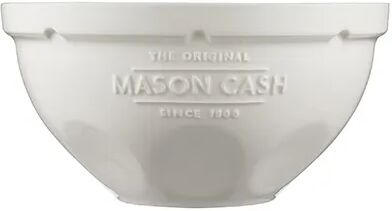
Mason Cash Innovative Kitchen Mixing BowlThis Mason Cash mixing bowl has a capacity of 4 litres and features tilt support in the design and shape of the bowl. As the bowl is tilted, the indents in the outer surface of the bowl provided angled support when mixing and beating the contents of the bowl. The bowl is made from stoneware and is finished with a durable and hard wearing glaze. The Mason Cash mixing bowl is suitable for warming food in the microwave and is dishwasher safe for easy and convenient cleaning.24,50 £*Shipping: 3,50 £Secure redirect to the provider
-
Mason Cash Innovative Kitchen Lasagne DishThe Mason Cash Innovative Kitchen Lasagne Dish is made from stoneware which provides gradual and even heat distribution. A vented base also ensures optimal heat distribution whilst right angled corners and precision sizing accommodate most lasagne sheets without the need to break them down. Steep sides allow for higher layering and help distribute heat evenly. Mason Cash ovenware classics have been given the Innovative Kitchen treatment in this range. Carefully selected materials with innovative features that improve their performance for tastier results. The Mason Cash Innovative Kitchen Lasagne Dish measures H 7.3cm x W 31.5cm x D 20.5cm with a capacity of 2.5 litres.16,10 £*Shipping: 3,50 £Secure redirect to the provider
-
Mason Cash Innovative Kitchen 1L Measuring JugThe Mason Cash Innovative kitchen 1 litre measuring jug is a must have in the kitchen for baking large batches of ingredients. The stoneware bowl has a large handle providing a good grip when mixing the contents. The bowl features indentations on the exterior, which provides extra support when the bowl is tilted at an angle. The inside of the measuring bowl shows measurements in both millilitres and fluid ounces. Suitable for use in the microwave and dishwasher safe for easy and convenient cleaning, the measuring bowl is part of a matching collection.17,85 £*Shipping: 3,50 £Secure redirect to the provider
-
Mason Cash Innovative Kitchen 29cm Pie DishThe Mason Cash Innovative Kitchen Pie Dish is made from stoneware which provides gradual and even heat distribution. A vented base also ensures optimal heat distribution as do the steep sides of the dish. An embossed interior provides easy pastry release whilst the pastry anchor prevents pastry slumping. Mason Cash ovenware classics have been given the Innovative Kitchen treatment in this range. Carefully selected materials with innovative features that improve their performance for tastier results. The Mason Cash Innovative Kitchen Pie Dish measures H 5.5cm x W 28cm x D 28cm with a capacity of 2 litres.15,05 £*Shipping: 3,50 £Secure redirect to the provider
-
How is ATP formed?
ATP is formed through the process of cellular respiration, which occurs in the mitochondria of cells. During cellular respiration, glucose is broken down in a series of steps, releasing energy that is used to convert ADP (adenosine diphosphate) into ATP (adenosine triphosphate). This process involves the electron transport chain and the production of ATP synthase, which adds a phosphate group to ADP to form ATP. Overall, ATP is formed through the transfer of energy from glucose to ADP, creating a molecule that serves as the primary energy source for cellular activities. **
-
What are ATP and ADP?
ATP (adenosine triphosphate) is a molecule that stores and transfers energy within cells. It is often referred to as the "energy currency" of the cell because it provides the energy needed for various cellular processes. When ATP is used for energy, it is converted to ADP (adenosine diphosphate) by releasing one phosphate group, along with the energy stored in the bond. ADP can then be converted back to ATP through cellular respiration to replenish the cell's energy supply. **
-
What is ATP explained simply?
ATP, or adenosine triphosphate, is often referred to as the "energy currency" of the cell. It is a molecule that stores and transfers energy within cells for various cellular processes. When ATP is broken down into ADP (adenosine diphosphate) and inorganic phosphate, energy is released and can be used by the cell to fuel activities such as muscle contractions, nerve impulses, and protein synthesis. In essence, ATP provides the necessary energy for cells to carry out their functions and maintain life. **
-
What are glucose and ATP?
Glucose is a simple sugar that serves as the primary source of energy for our cells. It is obtained from the food we eat and is broken down through a series of metabolic processes to produce ATP (adenosine triphosphate). ATP is often referred to as the "energy currency" of the cell because it stores and transfers energy within cells for various cellular functions. Both glucose and ATP play crucial roles in providing energy for the body to carry out its daily functions. **
Similar search terms for Atp
-
Drop Dash Deals Flexible Bendable Ceiling Curtain Track System For Room Dividers And Curved Spaces Flexible Bendable Ceiling Curtain Track System For Room Dividers And Curved SpacesCreate privacy, define spaces, and add flexibility to any room with this flexible ceiling curtain track designed to adapt to your layout, not the other way around. Ideal for renters, homeowners, and RV owners, this system bends smoothly around...79,97 $*Shipping: 0,00 $Secure redirect to the provider
-
A-Street Prints Savvy Black Geometric WallpaperThis wallpaper is a modern take on a classic floral tile. The geometric design pops with a light grey background and a charcoal black print. Raised inks create a tactile dimension on this large scale design.28,49 $*Shipping: 0,00 $Secure redirect to the provider
-
A-Street Prints Savvy Grey Geometric WallpaperLiven up your walls with this chic tile wallpaper. The large scale print creates a dramatic effect while the neutral grey color scheme maintains a sleek design. A textured ink creates the pattern on this design with a tactile finish.25,36 $*Shipping: 0,00 $Secure redirect to the provider
-
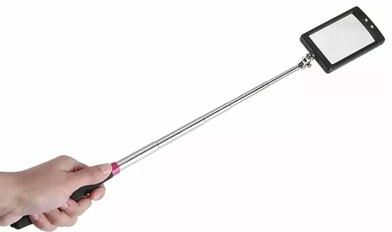
Multicon Wholesale Hub Telescoping Inspection Mirror Set Adjustable Flexible Inspection Mirror For Hard to Reach Spaces Telescoping Inspection Mirror Set Adjustable Flexible Inspection Mirror For Hard to Reach SpacesLooking for a versatile tool to help you inspect tight spaces The 2 Pack Telescoping Inspection Mirror Set is designed for those hardtoreach areas, making inspections easier than ever. Whether you're a mechanic, DIY enthusiast, or just need to check...69,97 $*Shipping: 0,00 $Secure redirect to the provider
-
Where does ATP come from?
ATP, or adenosine triphosphate, is produced in the mitochondria of cells through a process called cellular respiration. During cellular respiration, glucose is broken down in the presence of oxygen to produce ATP, which serves as the primary energy source for cellular activities. Additionally, ATP can also be generated through the process of photosynthesis in plant cells, where sunlight is used to convert carbon dioxide and water into glucose and oxygen, ultimately leading to the production of ATP. **
-
What is ATP in biology?
ATP, or adenosine triphosphate, is a molecule that serves as the primary energy currency in living organisms. It is composed of an adenosine molecule and three phosphate groups, and its high-energy phosphate bonds store and release energy for cellular processes. ATP is produced during cellular respiration and photosynthesis, and it is used to power various biological processes such as muscle contraction, active transport, and chemical synthesis. In essence, ATP is essential for the functioning and survival of all living organisms. **
-
What is the meaning of ATP?
ATP stands for adenosine triphosphate, which is a molecule that serves as the primary energy carrier in cells. It is often referred to as the "energy currency" of the cell because it provides the energy necessary for various cellular processes, such as muscle contraction, nerve impulse transmission, and chemical synthesis. ATP is produced through cellular respiration and is used by cells to fuel their metabolic activities. **
-
What are ATP, ADP, and AMP?
ATP (adenosine triphosphate) is a molecule that stores and transfers energy within cells. When ATP is used for energy, it is converted into ADP (adenosine diphosphate) by removing a phosphate group. Further breakdown of ADP results in AMP (adenosine monophosphate) by removing another phosphate group. These molecules are crucial for energy transfer and storage in various cellular processes. **
* All prices are inclusive of VAT and, if applicable, plus shipping costs. The offer information is based on the details provided by the respective shop and is updated through automated processes. Real-time updates do not occur, so deviations can occur in individual cases. ** Note: Parts of this content were created by AI.