Buy e-spaces.eu ?
We are moving the project
e-spaces.eu .
Are you interested in purchasing the domain
e-spaces.eu ?
domain@kv-gmbh.de · 0541-91531010
Buy e-spaces.eu ?
What is photosynthesis?
Photosynthesis is the process by which green plants, algae, and some bacteria convert light energy, usually from the sun, into chemical energy stored in glucose molecules. This process involves the absorption of carbon dioxide and water, which are then converted into glucose and oxygen with the help of chlorophyll and other enzymes. Photosynthesis is crucial for the survival of plants and other organisms that depend on them for food and oxygen. **
Can humans perform photosynthesis?
No, humans cannot perform photosynthesis. Photosynthesis is a process carried out by plants, algae, and some bacteria, where they convert sunlight into energy to produce their own food. Humans do not have the necessary organelles, such as chloroplasts, to carry out photosynthesis. Instead, humans obtain energy by consuming food and breaking it down through cellular respiration. **

Similar search terms for Photosynthesis
Top-Angebote
Products related to Photosynthesis:
-
Mason Cash Innovative Kitchen Lasagne DishThe Mason Cash Innovative Kitchen Lasagne Dish is made from stoneware which provides gradual and even heat distribution. A vented base also ensures optimal heat distribution whilst right angled corners and precision sizing accommodate most lasagne sheets without the need to break them down. Steep sides allow for higher layering and help distribute heat evenly. Mason Cash ovenware classics have been given the Innovative Kitchen treatment in this range. Carefully selected materials with innovative features that improve their performance for tastier results. The Mason Cash Innovative Kitchen Lasagne Dish measures H 7.3cm x W 31.5cm x D 20.5cm with a capacity of 2.5 litres.16,10 £*Shipping: 3,50 £Secure redirect to the provider
-
Drop Dash Deals Flexible Bendable Ceiling Curtain Track System For Room Dividers And Curved Spaces Flexible Bendable Ceiling Curtain Track System For Room Dividers And Curved SpacesCreate privacy, define spaces, and add flexibility to any room with this flexible ceiling curtain track designed to adapt to your layout, not the other way around. Ideal for renters, homeowners, and RV owners, this system bends smoothly around...79,97 $*Shipping: 0,00 $Secure redirect to the provider
-
A-Street Prints Savvy Grey Geometric WallpaperLiven up your walls with this chic tile wallpaper. The large scale print creates a dramatic effect while the neutral grey color scheme maintains a sleek design. A textured ink creates the pattern on this design with a tactile finish.25,36 $*Shipping: 0,00 $Secure redirect to the provider
-
A-Street Prints Savvy Black Geometric WallpaperThis wallpaper is a modern take on a classic floral tile. The geometric design pops with a light grey background and a charcoal black print. Raised inks create a tactile dimension on this large scale design.28,49 $*Shipping: 0,00 $Secure redirect to the provider




-
When does photosynthesis occur?
Photosynthesis occurs during the daytime when there is sunlight available. This is because sunlight is the energy source that drives the process of photosynthesis. During photosynthesis, plants use sunlight, carbon dioxide, and water to produce glucose and oxygen. This process is essential for the survival of plants and is the foundation of the food chain, as it provides energy for all living organisms. **
-
Can you describe photosynthesis?
Photosynthesis is the process by which green plants, algae, and some bacteria convert light energy, carbon dioxide, and water into glucose and oxygen. It takes place in the chloroplasts of plant cells and involves two main stages: the light-dependent reactions and the light-independent reactions (Calvin cycle). During the light-dependent reactions, light energy is used to split water molecules and produce ATP and NADPH. These energy carriers are then used in the Calvin cycle to convert carbon dioxide into glucose. Overall, photosynthesis is a crucial process that provides energy for plants and produces oxygen as a byproduct. **
-
Could photosynthesis even work?
Yes, photosynthesis is a fundamental process that allows plants, algae, and some bacteria to convert light energy into chemical energy in the form of glucose. This process involves the absorption of light by chlorophyll, which then drives a series of chemical reactions that ultimately produce glucose and release oxygen as a byproduct. Photosynthesis is essential for the survival of most life on Earth, as it provides the energy and oxygen necessary for the functioning of ecosystems. Without photosynthesis, the Earth's atmosphere would lack oxygen and the food web would collapse. **
-
What is photosynthesis in biology?
Photosynthesis is the process by which green plants, algae, and some bacteria convert light energy, usually from the sun, into chemical energy stored in glucose molecules. This process involves the absorption of carbon dioxide and water, which are then converted into glucose and oxygen with the help of chlorophyll and other pigments. Photosynthesis is essential for the survival of plants and other organisms that depend on them for food and oxygen. **

Is life possible without photosynthesis?
Life as we know it would not be possible without photosynthesis. Photosynthesis is the process by which plants, algae, and some bacteria convert sunlight into energy, which is then used by other organisms for survival. Without photosynthesis, there would be no oxygen production, disrupting the balance of gases in the atmosphere and making it difficult for aerobic organisms to survive. Additionally, the food chain would collapse as primary producers would not be able to create their own food, impacting all other organisms that rely on them for sustenance. **
Does every plant perform photosynthesis?
No, not every plant performs photosynthesis. While the majority of plants are autotrophic and capable of photosynthesis, there are some exceptions. For example, certain parasitic plants obtain nutrients from other plants and do not perform photosynthesis. Additionally, some plants that live in very dark environments, such as deep in the ocean or underground, may not rely solely on photosynthesis for their energy needs. **
Top-Angebote
Products related to Photosynthesis:
-
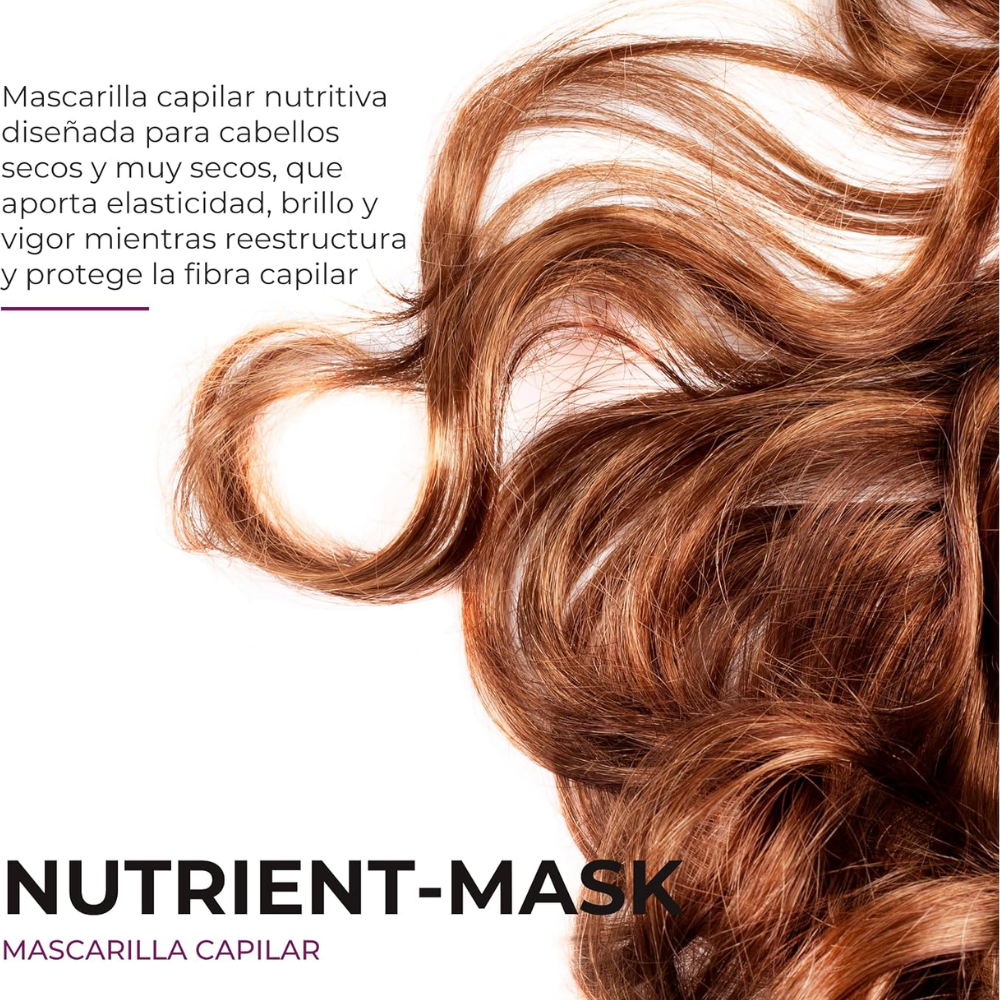
Rueber Innovative Nutrient Nourishing Mask 500mLA hair mask. It a nourishing hair mask rich in amino acids that provides elasticity, vigor, and shine to hair. Its acidic pH protects dry or very dry hair by nourishing and eliminating static electricity. Intensely nourishes and revitalizes dry hair. Improves elasticity and shine. Protects hair structure with an acidic pH.24,01 £*Shipping: 10,02 £Secure redirect to the provider
-
Mason Cash Innovative Kitchen Mixing BowlThis Mason Cash mixing bowl has a capacity of 4 litres and features tilt support in the design and shape of the bowl. As the bowl is tilted, the indents in the outer surface of the bowl provided angled support when mixing and beating the contents of the bowl. The bowl is made from stoneware and is finished with a durable and hard wearing glaze. The Mason Cash mixing bowl is suitable for warming food in the microwave and is dishwasher safe for easy and convenient cleaning.24,50 £*Shipping: 3,50 £Secure redirect to the provider
-
Mason Cash Innovative Kitchen Lasagne DishThe Mason Cash Innovative Kitchen Lasagne Dish is made from stoneware which provides gradual and even heat distribution. A vented base also ensures optimal heat distribution whilst right angled corners and precision sizing accommodate most lasagne sheets without the need to break them down. Steep sides allow for higher layering and help distribute heat evenly. Mason Cash ovenware classics have been given the Innovative Kitchen treatment in this range. Carefully selected materials with innovative features that improve their performance for tastier results. The Mason Cash Innovative Kitchen Lasagne Dish measures H 7.3cm x W 31.5cm x D 20.5cm with a capacity of 2.5 litres.16,10 £*Shipping: 3,50 £Secure redirect to the provider
-
Drop Dash Deals Flexible Bendable Ceiling Curtain Track System For Room Dividers And Curved Spaces Flexible Bendable Ceiling Curtain Track System For Room Dividers And Curved SpacesCreate privacy, define spaces, and add flexibility to any room with this flexible ceiling curtain track designed to adapt to your layout, not the other way around. Ideal for renters, homeowners, and RV owners, this system bends smoothly around...79,97 $*Shipping: 0,00 $Secure redirect to the provider
-
What is photosynthesis?
Photosynthesis is the process by which green plants, algae, and some bacteria convert light energy, usually from the sun, into chemical energy stored in glucose molecules. This process involves the absorption of carbon dioxide and water, which are then converted into glucose and oxygen with the help of chlorophyll and other enzymes. Photosynthesis is crucial for the survival of plants and other organisms that depend on them for food and oxygen. **
-
Can humans perform photosynthesis?
No, humans cannot perform photosynthesis. Photosynthesis is a process carried out by plants, algae, and some bacteria, where they convert sunlight into energy to produce their own food. Humans do not have the necessary organelles, such as chloroplasts, to carry out photosynthesis. Instead, humans obtain energy by consuming food and breaking it down through cellular respiration. **
-
When does photosynthesis occur?
Photosynthesis occurs during the daytime when there is sunlight available. This is because sunlight is the energy source that drives the process of photosynthesis. During photosynthesis, plants use sunlight, carbon dioxide, and water to produce glucose and oxygen. This process is essential for the survival of plants and is the foundation of the food chain, as it provides energy for all living organisms. **
-
Can you describe photosynthesis?
Photosynthesis is the process by which green plants, algae, and some bacteria convert light energy, carbon dioxide, and water into glucose and oxygen. It takes place in the chloroplasts of plant cells and involves two main stages: the light-dependent reactions and the light-independent reactions (Calvin cycle). During the light-dependent reactions, light energy is used to split water molecules and produce ATP and NADPH. These energy carriers are then used in the Calvin cycle to convert carbon dioxide into glucose. Overall, photosynthesis is a crucial process that provides energy for plants and produces oxygen as a byproduct. **
Similar search terms for Photosynthesis
-
A-Street Prints Savvy Grey Geometric WallpaperLiven up your walls with this chic tile wallpaper. The large scale print creates a dramatic effect while the neutral grey color scheme maintains a sleek design. A textured ink creates the pattern on this design with a tactile finish.25,36 $*Shipping: 0,00 $Secure redirect to the provider
-
A-Street Prints Savvy Black Geometric WallpaperThis wallpaper is a modern take on a classic floral tile. The geometric design pops with a light grey background and a charcoal black print. Raised inks create a tactile dimension on this large scale design.28,49 $*Shipping: 0,00 $Secure redirect to the provider
-
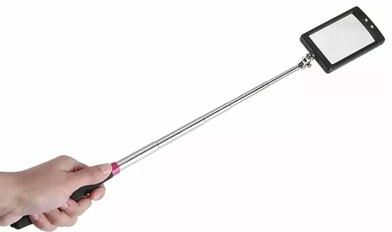
Multicon Wholesale Hub Telescoping Inspection Mirror Set Adjustable Flexible Inspection Mirror For Hard to Reach Spaces Telescoping Inspection Mirror Set Adjustable Flexible Inspection Mirror For Hard to Reach SpacesLooking for a versatile tool to help you inspect tight spaces The 2 Pack Telescoping Inspection Mirror Set is designed for those hardtoreach areas, making inspections easier than ever. Whether you're a mechanic, DIY enthusiast, or just need to check...69,97 $*Shipping: 0,00 $Secure redirect to the provider
-
Rueber Innovative Skynderm Cellular Regenerating Cream 6x12mLA hair-care product for dry or dehydrated skin. It a revitalizing epidermal cream designed for toxic, dehydrated, damaged, irritated, or inflamed skin. It effectively addresses redness on the scalp, forehead, or face, providing essential hydration and nourishment. Hydrates and nourishes the skin. Renews and regenerates skin cells.22,19 £*Shipping: 7,11 £Secure redirect to the provider
-
Could photosynthesis even work?
Yes, photosynthesis is a fundamental process that allows plants, algae, and some bacteria to convert light energy into chemical energy in the form of glucose. This process involves the absorption of light by chlorophyll, which then drives a series of chemical reactions that ultimately produce glucose and release oxygen as a byproduct. Photosynthesis is essential for the survival of most life on Earth, as it provides the energy and oxygen necessary for the functioning of ecosystems. Without photosynthesis, the Earth's atmosphere would lack oxygen and the food web would collapse. **
-
What is photosynthesis in biology?
Photosynthesis is the process by which green plants, algae, and some bacteria convert light energy, usually from the sun, into chemical energy stored in glucose molecules. This process involves the absorption of carbon dioxide and water, which are then converted into glucose and oxygen with the help of chlorophyll and other pigments. Photosynthesis is essential for the survival of plants and other organisms that depend on them for food and oxygen. **
-
Is life possible without photosynthesis?
Life as we know it would not be possible without photosynthesis. Photosynthesis is the process by which plants, algae, and some bacteria convert sunlight into energy, which is then used by other organisms for survival. Without photosynthesis, there would be no oxygen production, disrupting the balance of gases in the atmosphere and making it difficult for aerobic organisms to survive. Additionally, the food chain would collapse as primary producers would not be able to create their own food, impacting all other organisms that rely on them for sustenance. **
-
Does every plant perform photosynthesis?
No, not every plant performs photosynthesis. While the majority of plants are autotrophic and capable of photosynthesis, there are some exceptions. For example, certain parasitic plants obtain nutrients from other plants and do not perform photosynthesis. Additionally, some plants that live in very dark environments, such as deep in the ocean or underground, may not rely solely on photosynthesis for their energy needs. **
* All prices are inclusive of VAT and, if applicable, plus shipping costs. The offer information is based on the details provided by the respective shop and is updated through automated processes. Real-time updates do not occur, so deviations can occur in individual cases. ** Note: Parts of this content were created by AI.