Buy e-spaces.eu ?
We are moving the project
e-spaces.eu .
Are you interested in purchasing the domain
e-spaces.eu ?
domain@kv-gmbh.de · 0541-91531010
Buy e-spaces.eu ?
What is the difference between Viennese Classicism and Weimar Classicism?
Viennese Classicism refers to the musical and artistic movement that emerged in Vienna during the late 18th century, with composers like Mozart, Haydn, and Beethoven as its key figures. Weimar Classicism, on the other hand, refers to the literary and cultural movement that took place in Weimar, Germany, during the late 18th and early 19th centuries, with writers and thinkers like Goethe and Schiller at its center. While Viennese Classicism is primarily associated with music, Weimar Classicism is more focused on literature and philosophy. Both movements, however, share a commitment to balance, harmony, and a return to classical forms and ideals. **
Has Weimar Classicism failed?
Weimar Classicism, a cultural and literary movement in Germany during the late 18th and early 19th centuries, is considered by many to have been a successful period of artistic and intellectual achievement. However, some critics argue that it failed to bring about lasting social or political change. While Weimar Classicism did not lead to significant reforms or revolution, its impact on German literature, philosophy, and culture was profound and enduring. Ultimately, whether Weimar Classicism can be considered a failure depends on the criteria by which its success is judged. **

Similar search terms for Classicism
Top-Angebote
Products related to Classicism:
-
Mason Cash Innovative Kitchen Lasagne DishThe Mason Cash Innovative Kitchen Lasagne Dish is made from stoneware which provides gradual and even heat distribution. A vented base also ensures optimal heat distribution whilst right angled corners and precision sizing accommodate most lasagne sheets without the need to break them down. Steep sides allow for higher layering and help distribute heat evenly. Mason Cash ovenware classics have been given the Innovative Kitchen treatment in this range. Carefully selected materials with innovative features that improve their performance for tastier results. The Mason Cash Innovative Kitchen Lasagne Dish measures H 7.3cm x W 31.5cm x D 20.5cm with a capacity of 2.5 litres.16,10 £*Shipping: 3,50 £Secure redirect to the provider
-
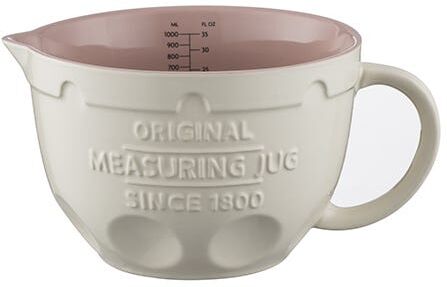
Mason Cash Innovative Kitchen 1L Measuring JugThe Mason Cash Innovative kitchen 1 litre measuring jug is a must have in the kitchen for baking large batches of ingredients. The stoneware bowl has a large handle providing a good grip when mixing the contents. The bowl features indentations on the exterior, which provides extra support when the bowl is tilted at an angle. The inside of the measuring bowl shows measurements in both millilitres and fluid ounces. Suitable for use in the microwave and dishwasher safe for easy and convenient cleaning, the measuring bowl is part of a matching collection.17,85 £*Shipping: 3,50 £Secure redirect to the provider
-
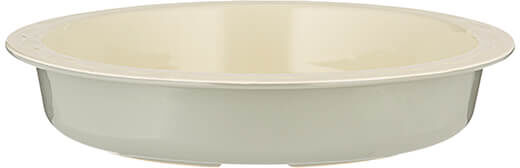
Mason Cash Innovative Kitchen 29cm Pie DishThe Mason Cash Innovative Kitchen Pie Dish is made from stoneware which provides gradual and even heat distribution. A vented base also ensures optimal heat distribution as do the steep sides of the dish. An embossed interior provides easy pastry release whilst the pastry anchor prevents pastry slumping. Mason Cash ovenware classics have been given the Innovative Kitchen treatment in this range. Carefully selected materials with innovative features that improve their performance for tastier results. The Mason Cash Innovative Kitchen Pie Dish measures H 5.5cm x W 28cm x D 28cm with a capacity of 2 litres.15,05 £*Shipping: 3,50 £Secure redirect to the provider
-
Drop Dash Deals Flexible Bendable Ceiling Curtain Track System For Room Dividers And Curved Spaces Flexible Bendable Ceiling Curtain Track System For Room Dividers And Curved SpacesCreate privacy, define spaces, and add flexibility to any room with this flexible ceiling curtain track designed to adapt to your layout, not the other way around. Ideal for renters, homeowners, and RV owners, this system bends smoothly around...79,97 $*Shipping: 0,00 $Secure redirect to the provider


-
Has the Weimar Classicism failed?
The Weimar Classicism, which was a cultural and literary movement in Germany during the late 18th and early 19th centuries, can be considered a success in many ways. It brought together some of the greatest minds of the time, including Johann Wolfgang von Goethe and Friedrich Schiller, and produced timeless works of literature and philosophy. However, it could be argued that the movement failed to have a lasting impact on German society and politics, as it was eventually overshadowed by the rise of Romanticism and the political turmoil of the 19th century. Ultimately, whether or not Weimar Classicism failed depends on the criteria used to measure its success. **
-
What are examples of Weimar Classicism?
Some examples of Weimar Classicism include the works of Johann Wolfgang von Goethe, such as his novel "Wilhelm Meister's Apprenticeship" and his play "Faust." Another example is Friedrich Schiller's play "William Tell," which reflects the ideals of the movement through its focus on heroism and freedom. Additionally, the architectural designs of Weimar, such as the Weimar Court Theater and the Weimar City Palace, also exemplify the principles of Weimar Classicism through their emphasis on balance, harmony, and classical forms. **
-
What are the traditions of Weimar Classicism?
Weimar Classicism was a cultural and literary movement that emerged in the late 18th century in Germany. Some of the key traditions of Weimar Classicism include a focus on reason, harmony, and balance in both art and society. This movement also emphasized the importance of education, humanism, and the pursuit of knowledge. Weimar Classicism sought to revive the ideals of ancient Greece and Rome, and its proponents believed in the power of art and literature to elevate and educate society. **
-
What are typical poems of Weimar Classicism?
Typical poems of Weimar Classicism often focus on themes of nature, beauty, and the human experience. They are characterized by their clarity, balance, and harmony, drawing inspiration from classical Greek and Roman literature. Poets of this movement, such as Johann Wolfgang von Goethe and Friedrich Schiller, sought to create works that were both intellectually stimulating and emotionally resonant, reflecting the ideals of the Enlightenment. These poems often explore the tension between reason and emotion, and the search for meaning and truth in the world. **


What is the literary era of Classicism?
The literary era of Classicism, also known as Neoclassicism, emerged in the 18th century as a reaction against the extravagance and emotionalism of the Baroque period. Classicism emphasized order, reason, and rationality, drawing inspiration from the art and literature of ancient Greece and Rome. Writers during this era sought to emulate the style and themes of classical antiquity, focusing on clarity, balance, and restraint in their works. Classicism also placed a strong emphasis on the use of formal structures and traditional poetic forms, such as the sonnet and the heroic couplet. **
What are the criticisms of Weimar Classicism?
Critics of Weimar Classicism argue that it was overly idealistic and focused on an unrealistic vision of a harmonious society, ignoring the social and political tensions of the time. They also claim that the movement was elitist, catering to the intellectual and aristocratic elite while neglecting the concerns of the working class. Additionally, some critics argue that Weimar Classicism's emphasis on rationality and order stifled creativity and individual expression, leading to a lack of innovation in the arts and literature. **
Top-Angebote
Products related to Classicism:
-
Grant Design Collaborative Theorem Indoor/Outdoor Striped Area RugThe Continuum collection brings the classic sisal look to outdoor spaces and high-traffic indoor areas. The soft Theorem design features a linear pattern with cream and taupe, high-low pile for added dimension.102,99 $*Shipping: 0,00 $Secure redirect to the provider
-
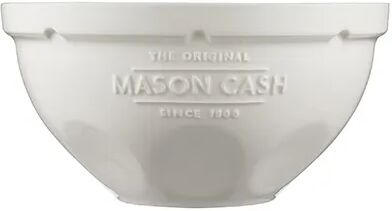
Mason Cash Innovative Kitchen Mixing BowlThis Mason Cash mixing bowl has a capacity of 4 litres and features tilt support in the design and shape of the bowl. As the bowl is tilted, the indents in the outer surface of the bowl provided angled support when mixing and beating the contents of the bowl. The bowl is made from stoneware and is finished with a durable and hard wearing glaze. The Mason Cash mixing bowl is suitable for warming food in the microwave and is dishwasher safe for easy and convenient cleaning.24,50 £*Shipping: 3,50 £Secure redirect to the provider
-
Mason Cash Innovative Kitchen Lasagne DishThe Mason Cash Innovative Kitchen Lasagne Dish is made from stoneware which provides gradual and even heat distribution. A vented base also ensures optimal heat distribution whilst right angled corners and precision sizing accommodate most lasagne sheets without the need to break them down. Steep sides allow for higher layering and help distribute heat evenly. Mason Cash ovenware classics have been given the Innovative Kitchen treatment in this range. Carefully selected materials with innovative features that improve their performance for tastier results. The Mason Cash Innovative Kitchen Lasagne Dish measures H 7.3cm x W 31.5cm x D 20.5cm with a capacity of 2.5 litres.16,10 £*Shipping: 3,50 £Secure redirect to the provider
-
Mason Cash Innovative Kitchen 1L Measuring JugThe Mason Cash Innovative kitchen 1 litre measuring jug is a must have in the kitchen for baking large batches of ingredients. The stoneware bowl has a large handle providing a good grip when mixing the contents. The bowl features indentations on the exterior, which provides extra support when the bowl is tilted at an angle. The inside of the measuring bowl shows measurements in both millilitres and fluid ounces. Suitable for use in the microwave and dishwasher safe for easy and convenient cleaning, the measuring bowl is part of a matching collection.17,85 £*Shipping: 3,50 £Secure redirect to the provider
-
What is the difference between Viennese Classicism and Weimar Classicism?
Viennese Classicism refers to the musical and artistic movement that emerged in Vienna during the late 18th century, with composers like Mozart, Haydn, and Beethoven as its key figures. Weimar Classicism, on the other hand, refers to the literary and cultural movement that took place in Weimar, Germany, during the late 18th and early 19th centuries, with writers and thinkers like Goethe and Schiller at its center. While Viennese Classicism is primarily associated with music, Weimar Classicism is more focused on literature and philosophy. Both movements, however, share a commitment to balance, harmony, and a return to classical forms and ideals. **
-
Has Weimar Classicism failed?
Weimar Classicism, a cultural and literary movement in Germany during the late 18th and early 19th centuries, is considered by many to have been a successful period of artistic and intellectual achievement. However, some critics argue that it failed to bring about lasting social or political change. While Weimar Classicism did not lead to significant reforms or revolution, its impact on German literature, philosophy, and culture was profound and enduring. Ultimately, whether Weimar Classicism can be considered a failure depends on the criteria by which its success is judged. **
-
Has the Weimar Classicism failed?
The Weimar Classicism, which was a cultural and literary movement in Germany during the late 18th and early 19th centuries, can be considered a success in many ways. It brought together some of the greatest minds of the time, including Johann Wolfgang von Goethe and Friedrich Schiller, and produced timeless works of literature and philosophy. However, it could be argued that the movement failed to have a lasting impact on German society and politics, as it was eventually overshadowed by the rise of Romanticism and the political turmoil of the 19th century. Ultimately, whether or not Weimar Classicism failed depends on the criteria used to measure its success. **
-
What are examples of Weimar Classicism?
Some examples of Weimar Classicism include the works of Johann Wolfgang von Goethe, such as his novel "Wilhelm Meister's Apprenticeship" and his play "Faust." Another example is Friedrich Schiller's play "William Tell," which reflects the ideals of the movement through its focus on heroism and freedom. Additionally, the architectural designs of Weimar, such as the Weimar Court Theater and the Weimar City Palace, also exemplify the principles of Weimar Classicism through their emphasis on balance, harmony, and classical forms. **
Similar search terms for Classicism
-
Mason Cash Innovative Kitchen 29cm Pie DishThe Mason Cash Innovative Kitchen Pie Dish is made from stoneware which provides gradual and even heat distribution. A vented base also ensures optimal heat distribution as do the steep sides of the dish. An embossed interior provides easy pastry release whilst the pastry anchor prevents pastry slumping. Mason Cash ovenware classics have been given the Innovative Kitchen treatment in this range. Carefully selected materials with innovative features that improve their performance for tastier results. The Mason Cash Innovative Kitchen Pie Dish measures H 5.5cm x W 28cm x D 28cm with a capacity of 2 litres.15,05 £*Shipping: 3,50 £Secure redirect to the provider
-
Drop Dash Deals Flexible Bendable Ceiling Curtain Track System For Room Dividers And Curved Spaces Flexible Bendable Ceiling Curtain Track System For Room Dividers And Curved SpacesCreate privacy, define spaces, and add flexibility to any room with this flexible ceiling curtain track designed to adapt to your layout, not the other way around. Ideal for renters, homeowners, and RV owners, this system bends smoothly around...79,97 $*Shipping: 0,00 $Secure redirect to the provider
-
A-Street Prints Savvy Grey Geometric WallpaperLiven up your walls with this chic tile wallpaper. The large scale print creates a dramatic effect while the neutral grey color scheme maintains a sleek design. A textured ink creates the pattern on this design with a tactile finish.25,36 $*Shipping: 0,00 $Secure redirect to the provider
-
A-Street Prints Savvy Black Geometric WallpaperThis wallpaper is a modern take on a classic floral tile. The geometric design pops with a light grey background and a charcoal black print. Raised inks create a tactile dimension on this large scale design.28,49 $*Shipping: 0,00 $Secure redirect to the provider
-
What are the traditions of Weimar Classicism?
Weimar Classicism was a cultural and literary movement that emerged in the late 18th century in Germany. Some of the key traditions of Weimar Classicism include a focus on reason, harmony, and balance in both art and society. This movement also emphasized the importance of education, humanism, and the pursuit of knowledge. Weimar Classicism sought to revive the ideals of ancient Greece and Rome, and its proponents believed in the power of art and literature to elevate and educate society. **
-
What are typical poems of Weimar Classicism?
Typical poems of Weimar Classicism often focus on themes of nature, beauty, and the human experience. They are characterized by their clarity, balance, and harmony, drawing inspiration from classical Greek and Roman literature. Poets of this movement, such as Johann Wolfgang von Goethe and Friedrich Schiller, sought to create works that were both intellectually stimulating and emotionally resonant, reflecting the ideals of the Enlightenment. These poems often explore the tension between reason and emotion, and the search for meaning and truth in the world. **
-
What is the literary era of Classicism?
The literary era of Classicism, also known as Neoclassicism, emerged in the 18th century as a reaction against the extravagance and emotionalism of the Baroque period. Classicism emphasized order, reason, and rationality, drawing inspiration from the art and literature of ancient Greece and Rome. Writers during this era sought to emulate the style and themes of classical antiquity, focusing on clarity, balance, and restraint in their works. Classicism also placed a strong emphasis on the use of formal structures and traditional poetic forms, such as the sonnet and the heroic couplet. **
-
What are the criticisms of Weimar Classicism?
Critics of Weimar Classicism argue that it was overly idealistic and focused on an unrealistic vision of a harmonious society, ignoring the social and political tensions of the time. They also claim that the movement was elitist, catering to the intellectual and aristocratic elite while neglecting the concerns of the working class. Additionally, some critics argue that Weimar Classicism's emphasis on rationality and order stifled creativity and individual expression, leading to a lack of innovation in the arts and literature. **
* All prices are inclusive of VAT and, if applicable, plus shipping costs. The offer information is based on the details provided by the respective shop and is updated through automated processes. Real-time updates do not occur, so deviations can occur in individual cases. ** Note: Parts of this content were created by AI.